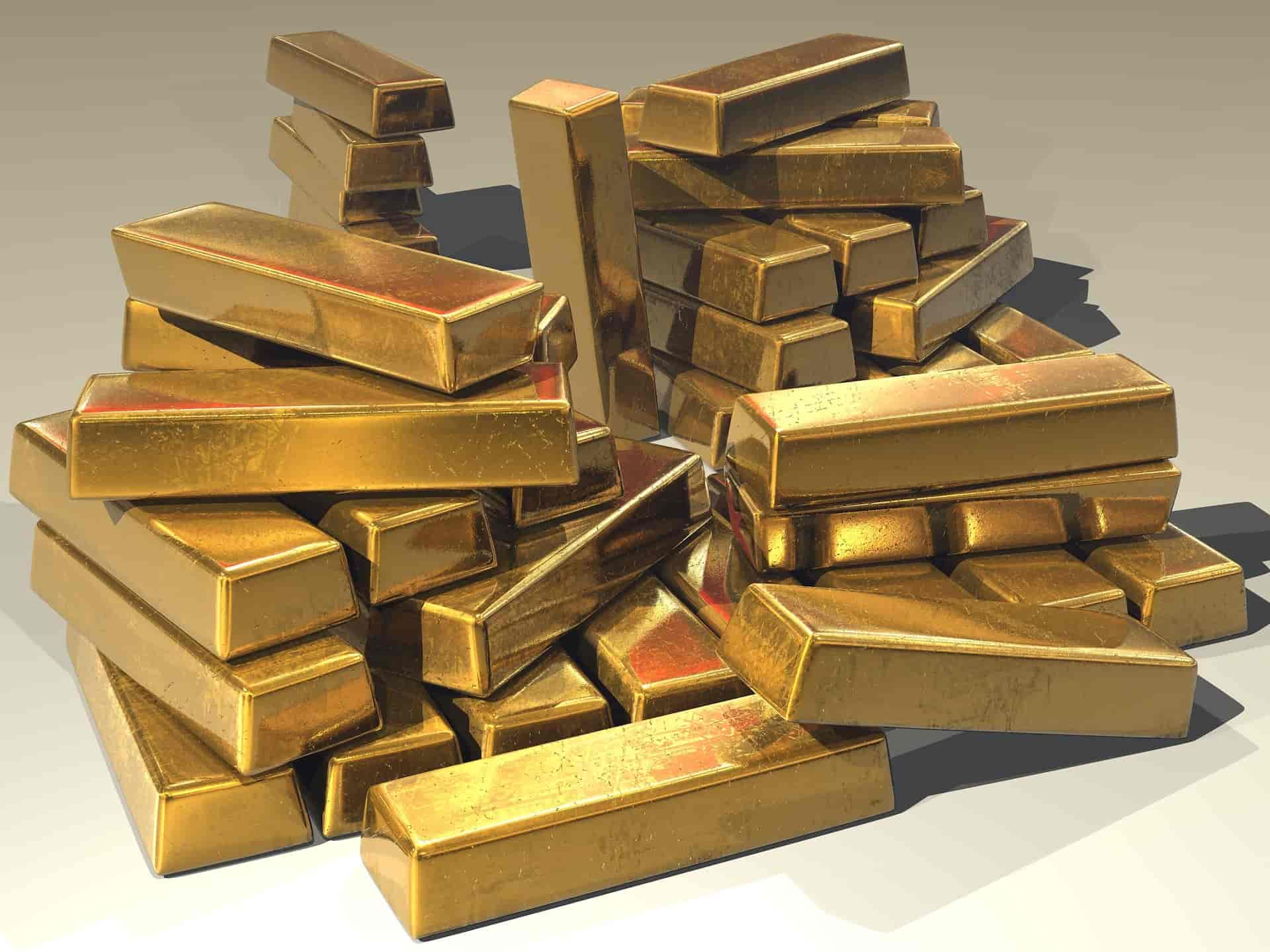

Something is stirring again in Western Australia’s mining heartland.
After a decade dominated by iron ore headlines, gold is suddenly back in the spotlight.
Over the past 18 months, global gold prices have surged by more than 50 per cent. According to ABC News, prices have reached around 3,764 Australian dollars an ounce, the highest in history. That surge has breathed new life into Western Australia’s gold industry, which had been running quietly in the background while iron ore carried the state economy.
Now, the goldfields are buzzing again.
A Revival with Real Depth
This is not a speculative boom. It is being driven by fundamentals: lower interest rates, geopolitical tension, and investors returning to safe assets as uncertainty grows.
According to ABC, eleven new gold projects are now planned across Western Australia. Together, they are expected to create about 2,400 new jobs over the next five years. Those figures may sound abstract, but they translate into something real: new contracts for drillers, more work for suppliers, and fresh demand in regional towns that rely on resource cycles for survival.
In Kalgoorlie, Murchison, and the northern goldfields, exploration rigs are once again running at full tilt. Some companies are reopening lower-grade deposits that had been closed when prices were weaker. Others are expanding existing mines, extending their life by several years.
It feels less like a rush and more like a reawakening.
The Market Response
On the Australian Securities Exchange, gold miners have seen a sharp rise in investor interest. Companies like Northern Star and Evolution Mining are outperforming broader market indices. Analysts attribute this partly to the lower cost of capital and partly to renewed safe-haven demand.
Smaller miners are also stepping up. Ballard Mining, for instance, has expanded drilling at its Mt Ida project to capitalise on record prices. Across the board, exploration expenditure in Western Australia’s gold sector is climbing steadily, according to government and industry data.
This activity matters because it feeds the entire value chain. More drilling means more geological surveys, more local contractors, and more royalty income for the state.
What This Means for Western Australia
The implications go beyond short-term profits. Gold now accounts for a significant share of Western Australia’s resource revenue after iron ore. Rising prices are helping extend mine life and bring marginal projects back online. That means more royalties, which strengthen the state’s budget position and fund public investment.
At a deeper level, the gold revival helps Western Australia diversify its resource base. The state has long been exposed to fluctuations in iron ore demand from China. A stronger gold sector provides an additional buffer against that dependency.
It also reinforces Western Australia’s position as one of the most resilient gold producers in the world. Few regions combine such rich geology with stable institutions, strong infrastructure, and global investor confidence.
The Long View
Every resource boom carries risk. Gold is volatile and can correct quickly. But this current cycle is supported by real economic conditions, not speculation alone. Inflation uncertainty, geopolitical risk, and a softening global economy are all keeping investors close to hard assets.
If managed well, this surge could leave a lasting benefit. It could extend the life of communities that depend on mining, attract new exploration capital, and ensure that the next generation of Western Australians still have a thriving resource industry to work in.
Gold has always had a way of resurfacing when the world grows uncertain. And right now, Western Australia’s goldfields are proving that some opportunities never really disappear. They just wait for their moment to shine again.
Sources:
- ABC News: Job opportunities in gold mining surge as confidence booms
- Stockhead: Ballard expands drilling at Mt Ida gold project
- World Gold Council: Gold Prices Data Hub