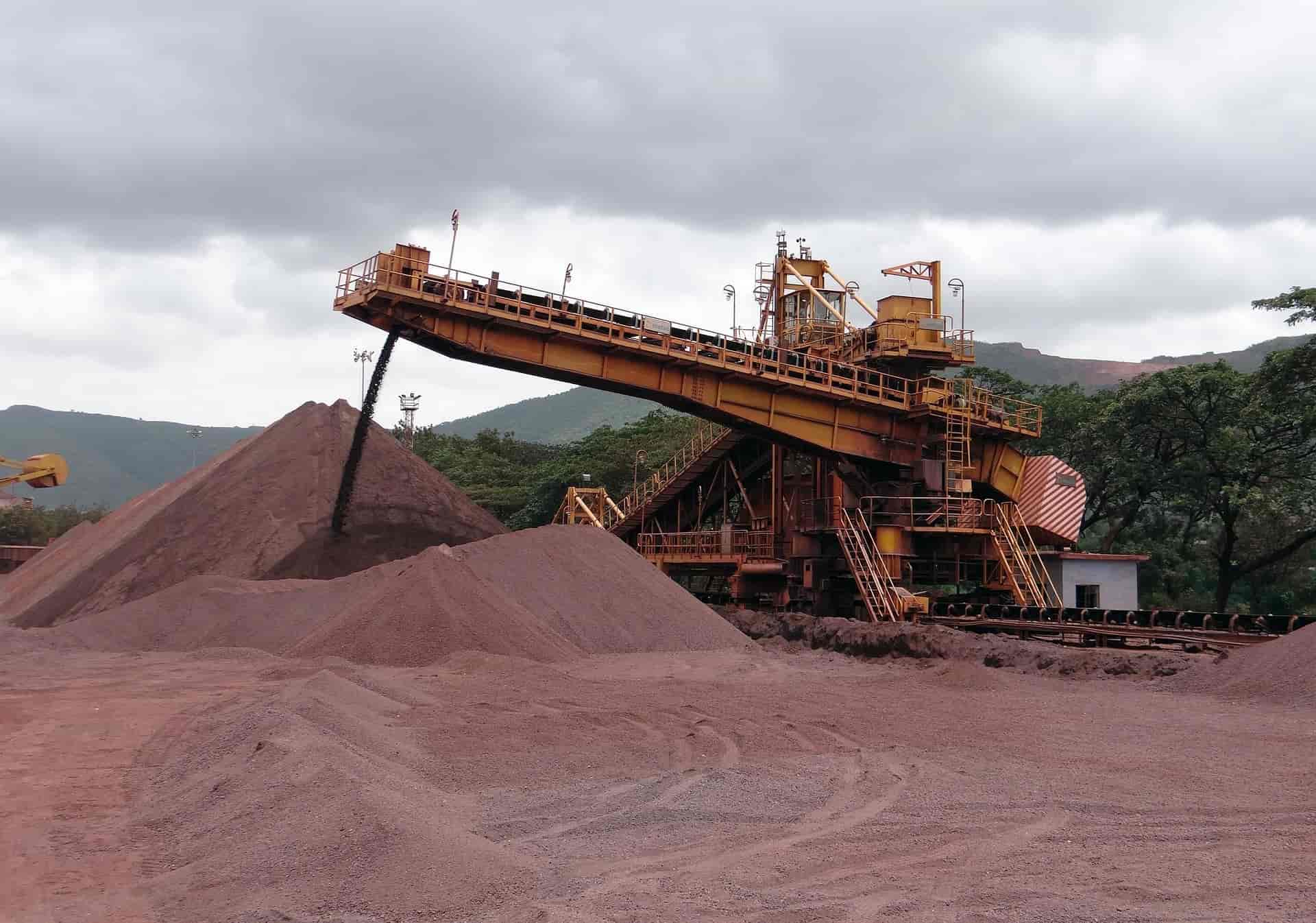

and What It Means for Western Australia
It is easy to forget how dependent Western Australia’s prosperity is on a single commodity. Iron ore royalties make up roughly one-fifth of the state’s entire budget. So when China, the world’s largest buyer, changes how it does business, the ripple effects travel quickly across the Indian Ocean.
In recent weeks, Beijing has intensified a pricing standoff with BHP. Its state-owned buyer, the China Mineral Resources Group, has been ordered to halt new purchases of dollar-denominated iron ore. The official reasoning is that China seeks to gain greater leverage over the pricing of iron ore. Behind the scenes, it is about something larger. Control.
A Shift in Global Commodity Power
For decades, the iron ore trade has been dominated by long-term contracts, with the major Australian miners BHP, Rio Tinto, and Fortescue playing a significant role. Prices were negotiated in US dollars and reflected supply conditions, not political will. China accepted this arrangement because it needed stability during its rapid industrialisation.
Now the tables are turning. China is pushing to move away from those contracts toward spot-based pricing. The change would allow Beijing to respond more flexibly to market fluctuations and assert more influence over the global benchmark. By temporarily suspending dollar purchases, it is signalling that it is willing to absorb short-term pain to gain long-term control.
This is not an isolated move. It fits a wider pattern of de-dollarisation and supply chain localisation that China has pursued across energy, rare earths, and manufacturing inputs. Iron ore is simply the next frontier.
The Pressure on BHP
For BHP, this confrontation comes at a vulnerable moment. The company has just reported its lowest profit in five years, largely due to weaker commodity prices and slower Chinese demand. The suspension of dollar trades may only last weeks, but it has already injected uncertainty into a market that depends on confidence.
Investors can absorb volatility. Governments cannot. Western Australia’s budget, jobs, and infrastructure spending all rely on steady royalty inflows. Even a modest drop in iron ore prices can create significant revenue shortfalls for the state. It is a reminder that fiscal strength built on commodity exports is always fragile.
What It Means for Western Australia
The state’s exposure is structural, not cyclical. When a majority of WA’s royalty income is exposed to shifts in Chinese demand, your economic security is not fully your own. The China-BHP standoff should therefore be read less as a trade story and more as a strategic wake-up call.
Western Australia has already begun to diversify through defence manufacturing, renewable energy, and critical minerals, but these sectors are still small compared to the scale of the iron ore economy. Building resilience will take years of investment, coordination, and political will.
If this pricing dispute drags on, it may accelerate those efforts. Necessity often succeeds where foresight fails.
A Shift in the Balance of Power
China’s decision to pause dollar-based purchases may be tactical, but the direction of travel is clear. Beijing wants to dictate the terms of global resource pricing, and the world’s miners are being asked to play by new rules. For the first time in decades, the buyer is challenging the supplier’s dominance.
For Western Australia, this is not just about iron ore. It is about sovereignty over its own economic future. The lesson is simple but uncomfortable. The more a state depends on one market, the less control it has when that market decides to change the rules.
Sources:
Reuters, Asia Times, ABC News, Economic Times, Bloomberg